Benny
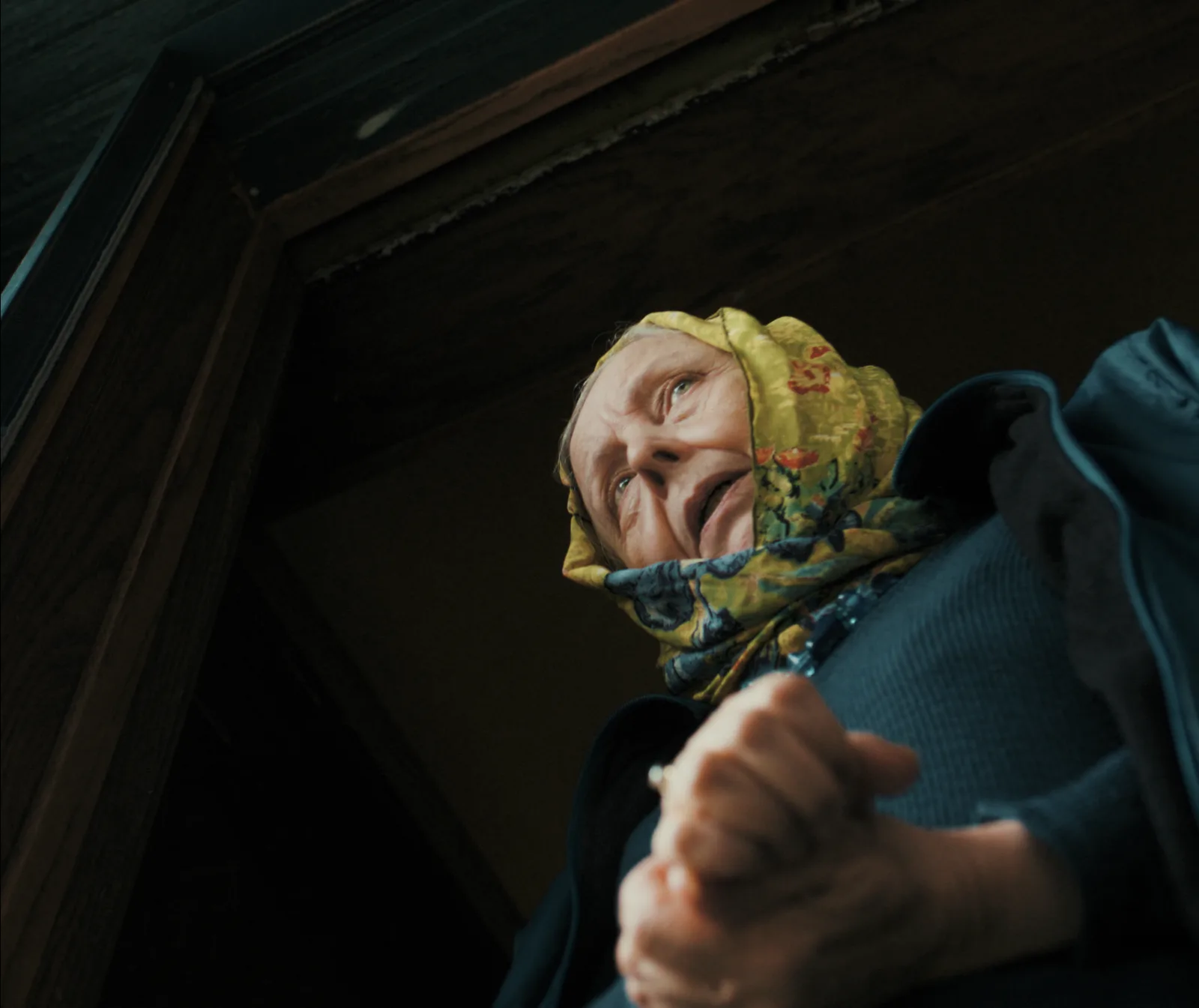
Logline
01 / Storybury
her world.
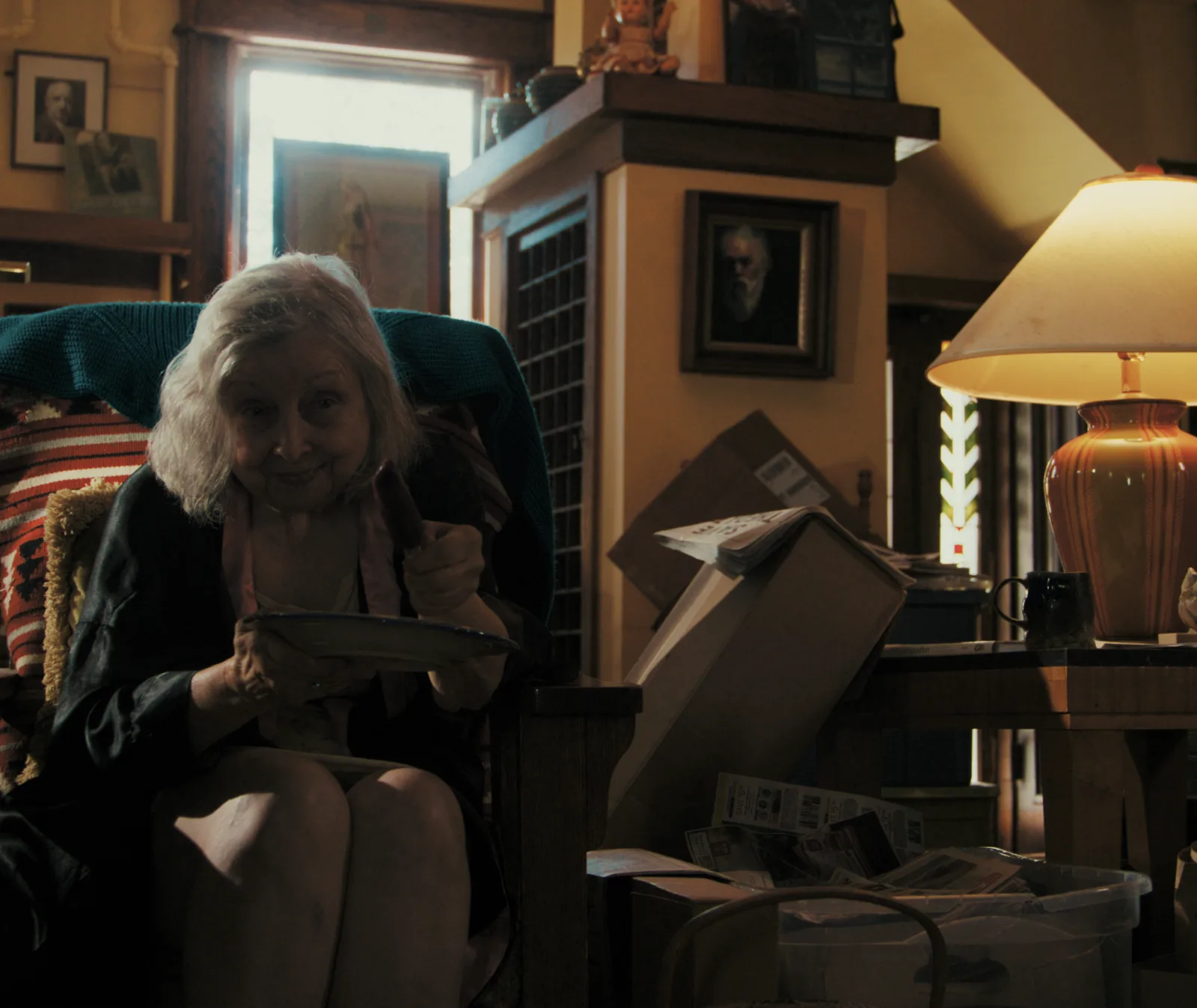
A lonely widow devotes herself to the only family she has left, until reality shatters her illusion in an act of unimaginable violence.
Reimagined from a real account.
Stills
02 / Frames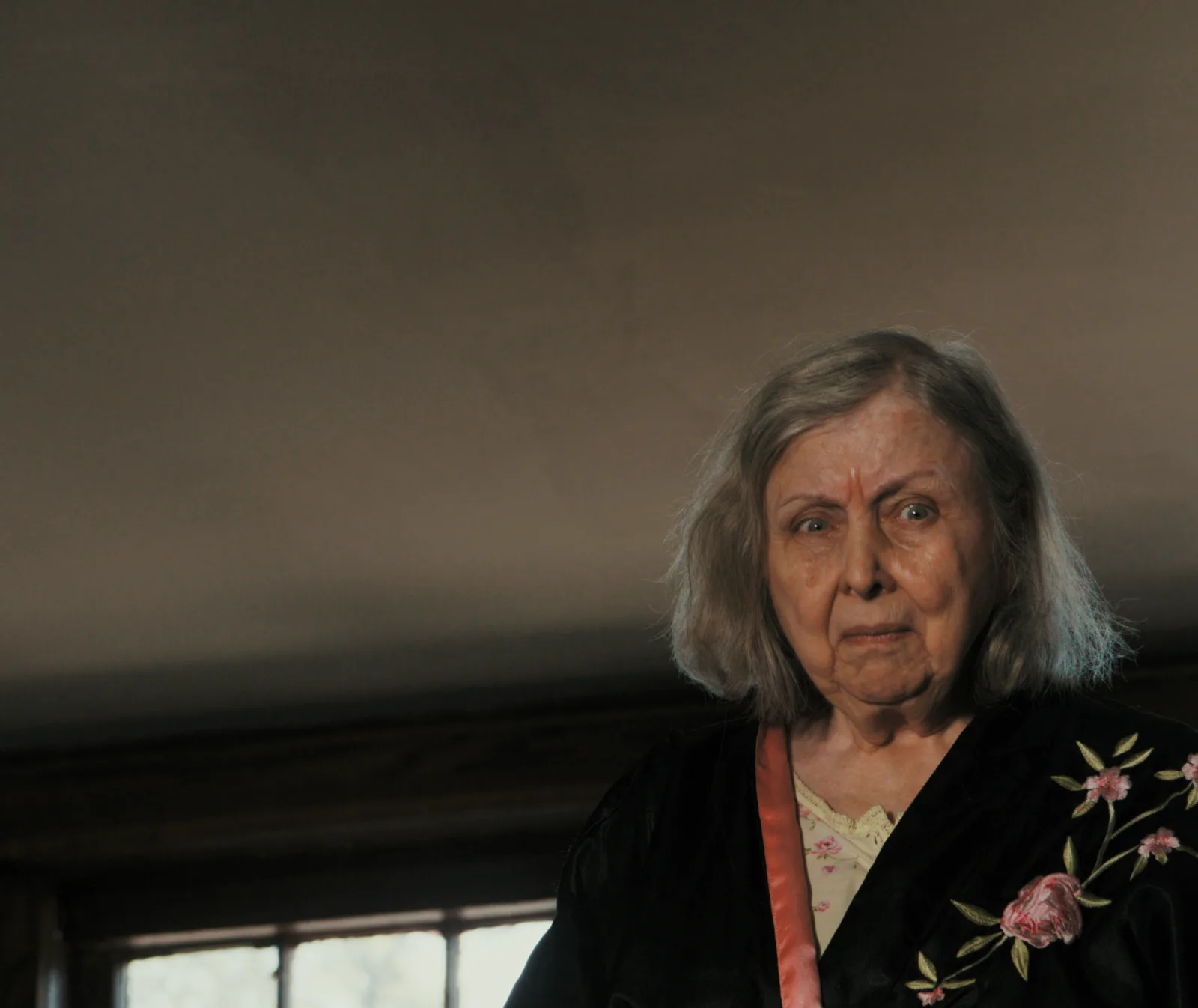
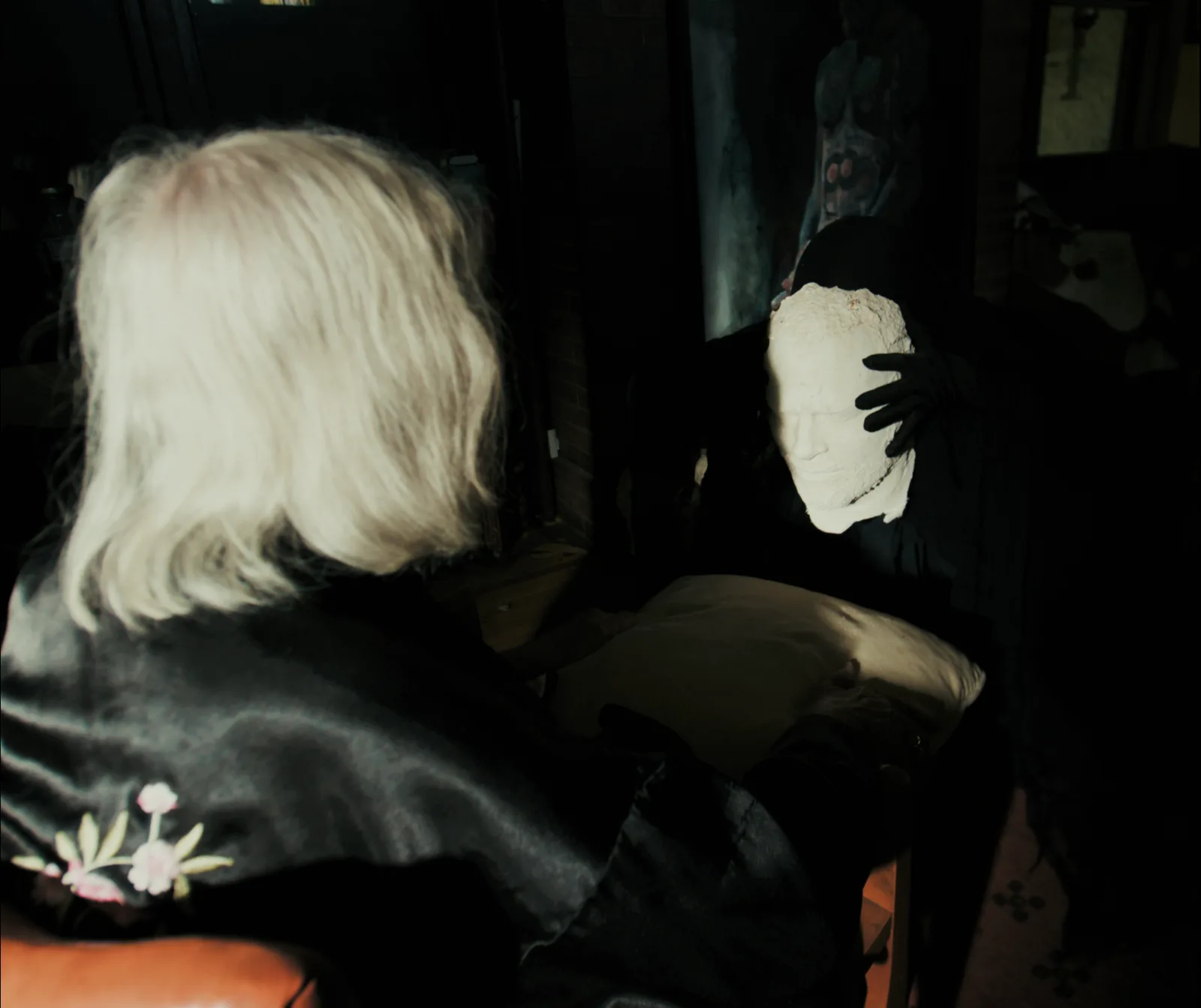
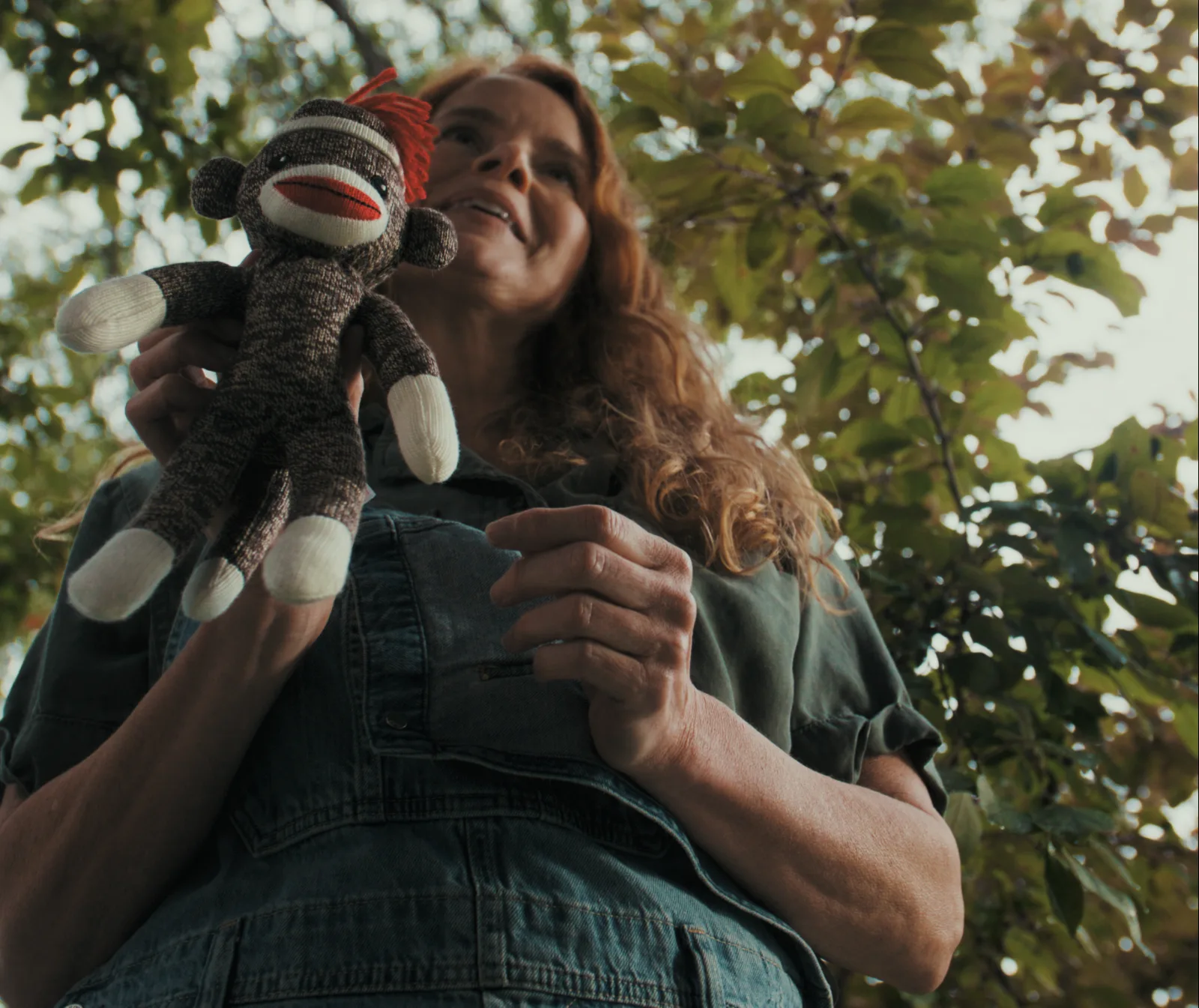
Society
03 / Entryask
to see it.
Benny is not on a streamer. It is not on YouTube. There is no link to send you.
The Society is the list that gets the film. A screener when it is ready. Dates when there are dates. Now and then a letter from the room where the work is made.
Free. One email. You can leave whenever you want.
The Screener
Benny plays for members. You get the link before it goes anywhere else.
The Dispatches
Irregular letters from the room, while the work is still wet.
The Door
Unlocked from the inside. Leave in one click. We never sell the list.
One email to get in. Unsubscribe in one click. We do not sell or share the list.
Details
04 / Specs- Format
- Short film
- Runtime
- 12:30
- Aspect
- 1.19:1
- Stage
- Completed
- Discipline
- Psychological horror
- Year
- 2026
Contact
05 / Reachlet in.
Benny is finished. The Society sees it first.
Press, festivals, or work — hello@nite.flights